
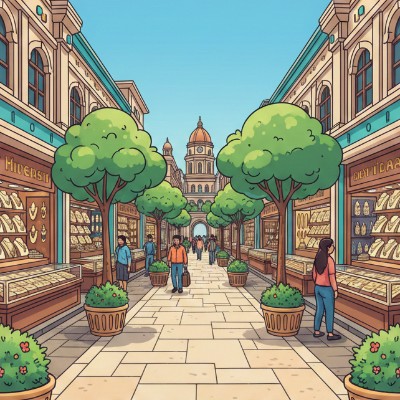
Zaveri Bazaar in Mumbai is one of India’s most iconic jewellery and bullion markets, famous for its gold, silver, diamond and gemstone shops spread across the narrow lanes of Bhuleshwar and Kalbadevi. Known for its historic charm, traditional craft, wholesale rates and trusted family-run jewellers, the market attracts buyers from across India and abroad.
Visitors enjoy browsing ornaments, witnessing skilled artisans at work and exploring the energetic pedestrian-only lanes. With strong security, vibrant crowds and centuries of trading legacy, Zaveri Bazaar offers a unique blend of heritage shopping and cultural atmosphere, making it one of the most essential places to visit in South Mumbai.
Worli Sea Face, a popular landmark in Mumbai, is a picturesque promenade along the Arabian Sea offering panoramic views of the majestic Bandra-Worli Sea Link. Known for its stunning sunsets, cool sea breeze, and soothing sound of waves, it is a favourite spot for locals and tourists alike. This scenic stretch is perfect for evening walks, photography, or simply relaxing by the sea. Surrounded by iconic landmarks, upscale residences, and eateries, Worli Sea Face beautifully blends urban charm with nature’s serenity, making it one of Mumbai’s most-loved coastal attractions.
Worli Fort, located in Mumbai, is a historic sea-facing fort that dates back to the British era. Built by the British around the 17th century, the fort was strategically positioned to monitor sea routes and protect the Mahim Bay from enemy invasions. Today, Worli Fort stands as a silent witness to Mumbai’s colonial past, offering visitors panoramic views of the Arabian Sea and the Bandra-Worli Sea Link. This scenic and lesser-known attraction is popular among history enthusiasts, photographers, and those seeking a quiet spot away from the city’s chaos. Its rustic charm and coastal setting make it a must-visit site.
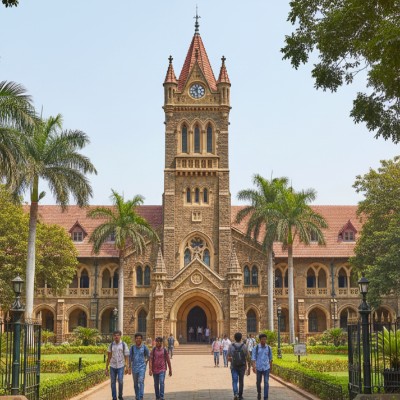
Located opposite Girgaon Chowpatty, Wilson College, Mumbai is a historic undergraduate institution founded in 1832 that blends Victorian-Gothic architecture with a lively student culture. Visitors are drawn to its red-brick façade, heritage-listed status, verdant campus corners and regular cultural festivals which offer a glimpse into campus life. The college functions as both an academic centre and a popular stop on heritage walks and film-location tours. Practical for tourists, Wilson College, Mumbai sits close to promenades, street-food stalls and public transport, making it easy to combine a heritage visit with Chowpatty and nearby attractions. Guided walks often highlight its library, chapel and historic hall, offering context for history and architecture enthusiasts.
Wankhede Stadium, located in Mumbai, is one of India’s most iconic cricket venues, renowned for hosting memorable matches and historic victories. Built in 1974, this landmark stadium has witnessed numerous international tournaments, including the 2011 ICC Cricket World Cup Final. With a seating capacity of around 33,000, it offers visitors an electric atmosphere and a glimpse into India’s passion for cricket. Situated near Churchgate and Marine Drive, Wankhede Stadium is not only a sports arena but also a major tourist attraction in Mumbai, drawing fans and travellers from across the world to relive cricketing glory.
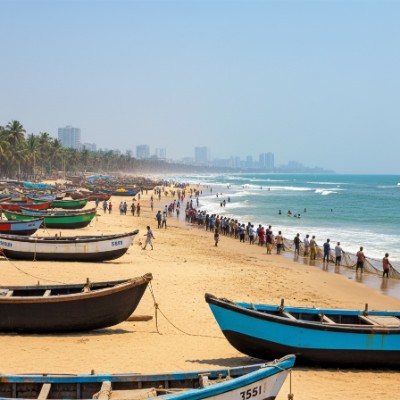
Versova Beach, Mumbai is a calm urban beach along the Arabian Sea in Andheri West, known for its fishing village setting, sunset views and historic beach cleanup movement. Once heavily polluted, the beach gained global attention after a large-scale citizen-led cleanup initiated by Afroz Shah, transforming it into a symbol of community-driven coastal restoration.
Today, Versova Beach offers a quieter alternative to crowded Mumbai beaches, with visible fishing boats, open shoreline and seasonal cleanliness. Popular among locals for evening walks and photography, the beach reflects Mumbai’s evolving relationship with coastal ecology, civic responsibility and sustainable urban living.
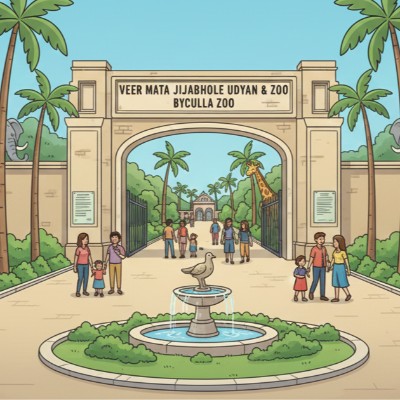
Byculla Zoo, officially known as Veer Mata Jijabai Bhosale Udyan, is a popular Mumbai landmark that blends a zoological park with a historic botanical garden. This family-friendly tourist attraction offers a refreshing break from city life with tree-lined paths, diverse animals, and conserved green zones.
Located in the heart of the city, the zoo is especially known for its Humboldt penguin exhibit, nature trails, and heritage structures dating back to the 19th century. It serves as an educational and recreational space for visitors of all ages, making it an ideal spot to explore wildlife, history, and nature within Mumbai.
The University of Mumbai Heritage Campus in Mumbai is one of India’s most iconic educational landmarks and a must-visit tourist attraction. Established in 1857, the campus showcases stunning Victorian Gothic architecture blended with Indian elements, reflecting the grandeur of the British colonial era. Visitors can admire majestic clock towers, ornate facades, and intricately designed halls that stand as a testament to the city’s rich academic and cultural history. Located in the heart of Fort, Mumbai, the campus is surrounded by historic streets and bustling markets, making it a perfect spot for sightseeing, photography, and experiencing the heritage of Mumbai.
Taraporewala Aquarium, Mumbai landmark, tourist attraction in Mumbai, is the city’s premier marine showcase. Established in 1951, it houses over 2,000 fish across 400 species, both freshwater and marine. Located on the scenic Marine Drive, it attracts families, students, and nature enthusiasts seeking to explore the vibrant underwater world. Visitors can marvel at exotic species, observe fascinating fish behavior, and enjoy educational exhibits highlighting conservation. With its rich biodiversity and central location, Taraporewala Aquarium is not only a recreational spot but also an educational hub, offering an immersive glimpse into marine ecosystems for tourists and locals alike.
Taj Mahal Palace Hotel in Mumbai is a historic landmark overlooking the Arabian Sea. Since 1903, it has fascinated visitors with its blend of Indo-Saracenic and Victorian architecture. Located near the Gateway of India, it is a must-visit tourist attraction in Mumbai for history lovers and photographers. Its grand domes, elegant interiors, and heritage corridors reflect the city’s rich past. Visitors can enjoy guided tours, scenic sea views, and learn about its cultural significance. Taj Mahal Palace Hotel remains a symbol of Mumbai’s heritage and charm.
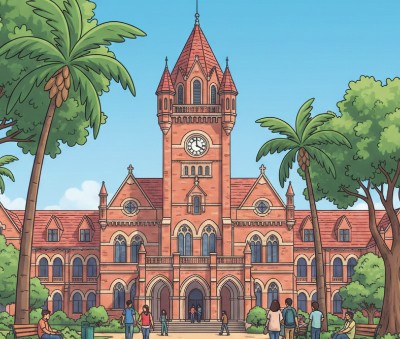
St. Xavier’s College, Mumbai is one of India’s most iconic heritage institutions, located in the historic Fort area of South Mumbai. Established in 1869 by German Jesuit priests, the college is renowned for its academic excellence, liberal arts tradition, and strong ethical foundation. The campus is celebrated for its striking Indo-Gothic architecture, featuring stone façades, arched corridors, tall windows, and a spacious central quadrangle.
Despite being an active academic institution, St. Xavier’s College, Mumbai attracts heritage lovers and architecture enthusiasts as part of Fort heritage walks. Granted autonomous status in 2010, it continues to shape generations of students while remaining a prominent cultural landmark.
St. Thomas Cathedral in Mumbai is one of the city’s oldest and most revered Anglican churches, representing over three centuries of colonial heritage and spiritual legacy. Built in 1718, this historic landmark stands at the heart of Fort, Mumbai, symbolising faith, endurance, and architectural grace. The church’s white façade, arched interiors, and stained-glass windows narrate stories of British-era craftsmanship. Recognised as a UNESCO Asia-Pacific Heritage awardee, St. Thomas Cathedral continues to attract visitors for its tranquil atmosphere and timeless beauty, making it a must-visit tourist attraction in Mumbai for history lovers and culture enthusiasts alike.
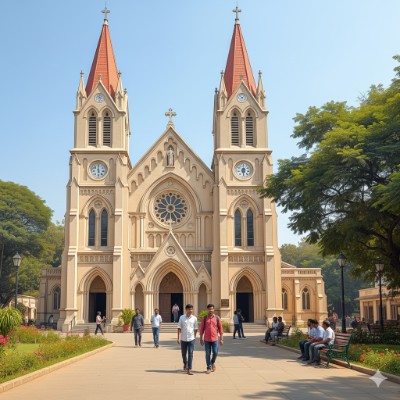
St. Michael’s Church in Mumbai is one of the city's oldest and most revered Catholic landmarks, attracting visitors, devotees, and tourists throughout the year. Located in Mahim, this historic church is known for its peaceful ambience, striking altar, and the famous Wednesday novena that draws thousands.
As a popular tourist attraction in Mumbai, St. Michael’s Church offers a meaningful blend of heritage, devotion, and cultural significance. The church’s simple yet elegant architecture, combined with its long-standing spiritual traditions, makes it a must-visit for anyone exploring the city’s religious heritage. Whether you seek quiet reflection or want to witness local faith practices, St. Michael’s Church is an enriching stop.
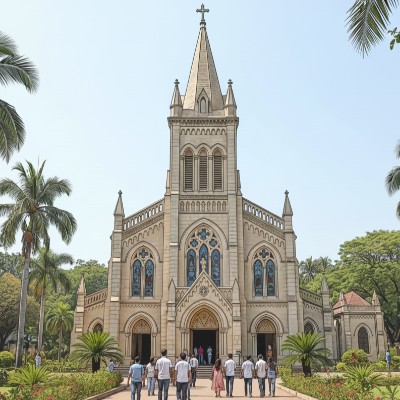
St. Joseph’s Church, Juhu, Mumbai is a historic Roman Catholic parish serving the spiritual needs of the Juhu community since the early 20th century. Part of the Archdiocese of Bombay, the church has deep roots among East Indian Catholic families and has grown alongside Juhu’s transformation into a vibrant suburb.
Known for its peaceful ambience, well-maintained interiors and welcoming parish atmosphere, the church attracts both worshippers and visitors. Regular Mass services in English and Konkani, along with the annual Feast of St. Joseph, make it an important religious and cultural landmark near Juhu Beach and Prithvi Theatre.
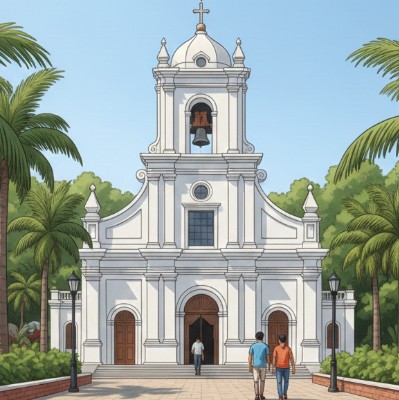
St. Andrew’s Church, located in Bandra, Mumbai, is one of the city’s oldest and most cherished landmarks. Built in 1575 by Portuguese Jesuits, this beautiful seaside church stands as a timeless reminder of Mumbai’s colonial past and strong Christian heritage. With its classic architecture, arched windows, and tranquil surroundings overlooking the Arabian Sea, St. Andrew’s continues to draw visitors seeking peace and history. The church is not only a place of worship but also a symbol of Bandra’s cultural roots and architectural grace, making it a must-visit spot for travellers exploring Mumbai’s historical and spiritual side.
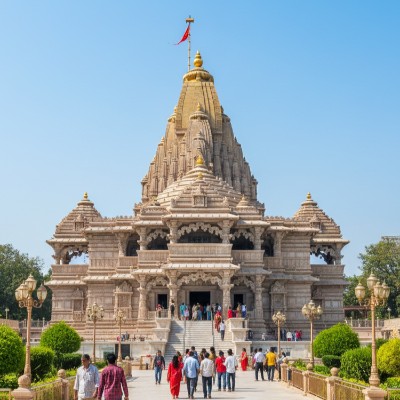
The Siddhivinayak Temple in Mumbai is one of the most visited and cherished temples in India, dedicated to Lord Ganesha, the remover of obstacles. Built in 1801, this iconic shrine attracts millions of devotees every year seeking blessings and peace.
The temple’s architecture beautifully combines traditional and modern styles, with the idol of Lord Ganesha carved from a single black stone. Located in the bustling Prabhadevi area, the temple is a spiritual haven amidst the city’s chaos, drawing both locals and tourists alike who come to witness its divinity and experience the rich cultural and religious essence of Mumbai.
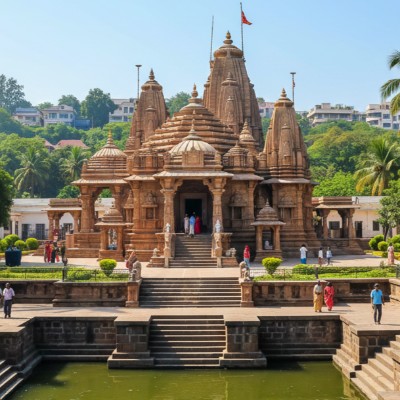
Shri Walkeshwar Temple in Mumbai is a revered Hindu shrine located on the peaceful hill slopes of Malabar Hill, known for its ancient heritage, spiritual atmosphere and scenic surroundings. Considered one of the oldest temples in the city, this landmark is closely linked to the sacred Banganga Tank, creating a serene cultural zone that attracts devotees and travellers alike.
Shri Walkeshwar Temple is dedicated to Lord Shiva and is believed to date back to the times of the Silhara dynasty, making it an important religious and historical attraction in Mumbai. Its calm ambience, coastal breeze and rich mythology make it a meaningful stop for visitors.
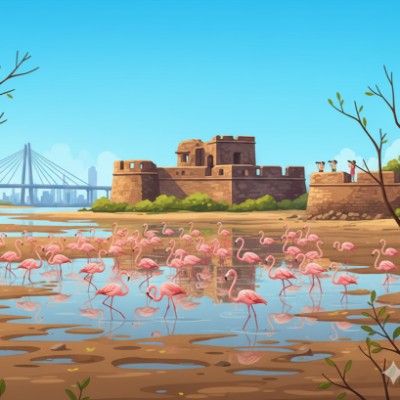
Sewri Fort & Flamingo Mudflats in Mumbai pair a small 17th-century coastal fort with the extensive mudflats of Thane Creek, famous for thousands of migratory lesser flamingos during winter. Perched on basalt walls, the ruined fort provides panoramic views over the mudflats and nearby mangroves, while birdwatchers and photographers flock to the Sewri Jetty at sunrise for stunning flamingo formations and reflective waters.
The spot is an unusual urban nature escape — offering history, quiet strolls, and close-to-nature photographic opportunities — but visitors should note the site has minimal facilities and changing sighting conditions dependent on tide, season, and conservation status.