
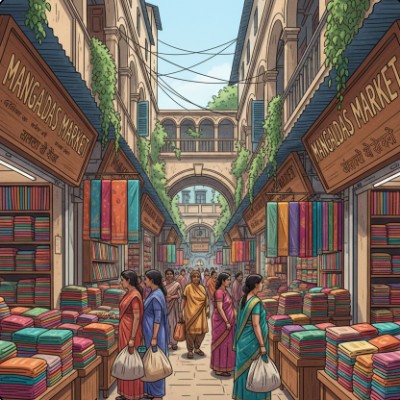
Mangaldas Market in Mumbai is one of the city’s oldest and busiest fabric hubs, renowned for its massive range of cotton, silk, lace, embroidery, and bridal dress materials. Located near Crawford Market and Kalbadevi, it attracts designers, boutique owners, tailors and shoppers seeking wholesale prices and huge variety.
Mangaldas Market's narrow covered lanes are packed with colourful fabric rolls, trims, and accessories, offering everything needed for custom outfits. Bargaining is common, and weekday visits are recommended to avoid crowds. Mangaldas Market is ideal for anyone shopping for sarees, suits, lehengas, dupattas or speciality fabrics in Mumbai.
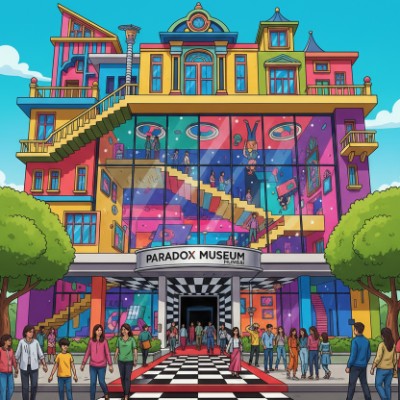
Paradox Museum Mumbai, located in Shreeniwas House near Azad Maidan in Fort, Mumbai, is India’s first branch of the global Paradox Museum franchise and offers a compact, indoor, multi-room immersive experience designed for photos and social media.
With 50+ interactive installations — including the Gravity Room, Upside-Down Room, mirror illusions and paradox tunnels — the museum delivers quick, slot-based visits (about 45–75 minutes) ideal for families, couples and content creators.
The exhibits use curated lighting and visual engineering to create mind-bending effects; visitors are advised to pre-book tickets via BookMyShow or the official site and to pick weekday or early slots to avoid crowds.
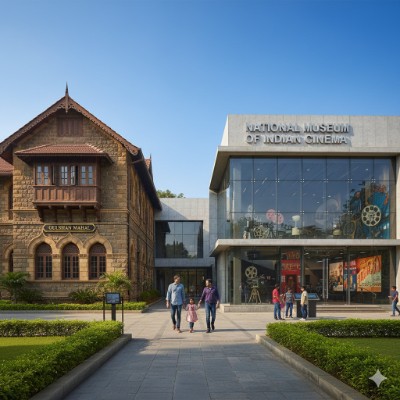
The National Museum of Indian Cinema (NMIC), Mumbai is a one of its kind cultural institution that showcases the evolution of Indian cinema over more than 100 years. Located on Pedder Road, the museum blends the heritage charm of Gulshan Mahal with a modern multi-level gallery complex.
Visitors can explore rare film posters, vintage cameras, interactive exhibits, audiovisual zones and thematic galleries covering silent films, talkies and Bollywood golden era. Known for its peaceful ambience and informative displays, NMIC is ideal for families, students, film enthusiasts and heritage lovers. The museum also hosts screenings, workshops and educational programmes throughout the year.
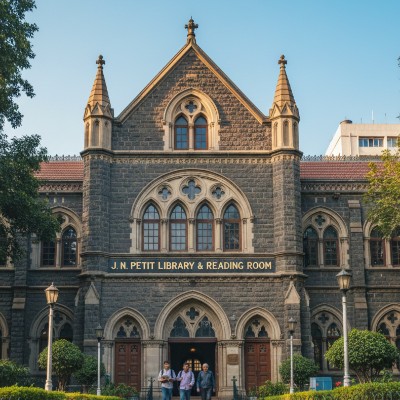
The J. N. Petit Library & Reading Room in Mumbai is a historic Neo-Gothic heritage library located on D.N. Road in the Fort precinct. Founded in 1898, it is admired for its peaceful reading atmosphere, tall arched windows, wooden interiors and its extensive collection of over 150,000+ books, rare periodicals and archival materials.
Originally established through Parsi philanthropic efforts, the library continues to serve students, researchers and heritage lovers with affordable membership and well-maintained study spaces. The building’s classic colonial-era design, coupled with its cultural importance, makes it a significant landmark on Mumbai’s heritage walking routes.
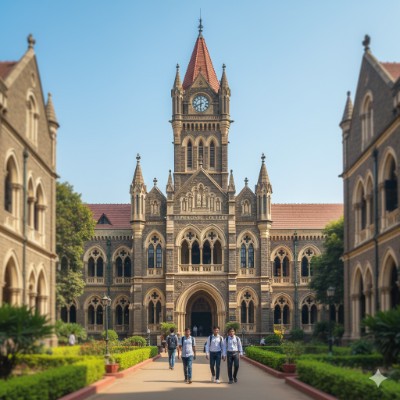
Elphinstone College, Mumbai is one of the city’s oldest and most iconic educational landmarks, established in 1856 and housed in a magnificent Gothic Revival heritage building. Located in the vibrant Fort and Kala Ghoda precinct, the college is admired for its stone arches, high ceilings and historically rich ambience. It has shaped modern Indian education and produced several national leaders and reformers.
Visitors often explore its corridors during heritage walks, appreciating its Victorian architecture and central location near Jehangir Art Gallery and CSMVS. The college continues to attract history lovers, students and culture explorers seeking a glimpse of Mumbai’s academic heritage.
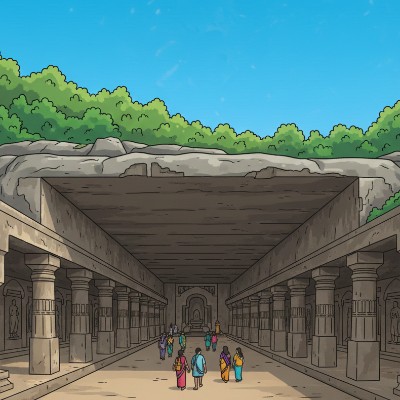
Jogeshwari Caves in Mumbai is one of the earliest and largest Hindu cave temples in India, dating back to the 6th century. Known for its long rock cut corridors, massive mandapa and ancient Shaivite shrines, the site showcases early experimentation in Hindu cave architecture.
Dedicated to Lord Shiva and the goddess Jogeshwari, it holds immense archaeological, cultural and heritage value. The cave complex lies within a dense residential locality, but once inside, visitors experience a peaceful atmosphere, stone pillars, sculpted niches and a central linga shrine. It is a must visit spot for history lovers, archaeology students and photographers exploring Mumbai’s ancient cave systems.
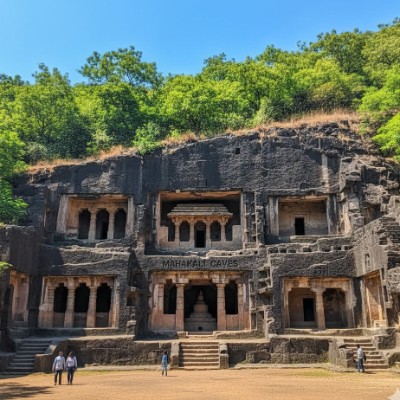
Mahakali Caves in Mumbai, also known as Kondivite Caves, form one of the city’s oldest Buddhist rock-cut cave clusters dating between 1st century BCE and 6th century CE. Carved into black basalt on a hill in Andheri East, the site features 19 simple viharas, meditation chambers and the notable Cave 9 with a small chaitya and stupa.
The caves reflect early Hinayana style with minimal ornamentation, verandas and stone benches. Managed by the ASI, Mahakali Caves offer a peaceful, uncrowded heritage stop ideal for photography, short walks and history exploration, with panoramic views over the Jogeshwari–Powai region.
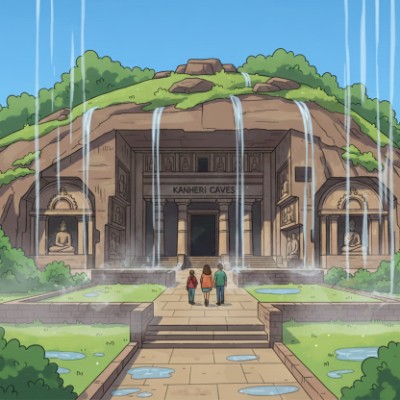
The Kanheri Caves, Mumbai, located deep within Sanjay Gandhi National Park, form one of India’s largest and oldest Buddhist rock-cut cave complexes. Known for their basalt architecture, monastic cells, chaitya halls and ancient inscriptions, the caves date from the 1st century BCE to the 10th century CE.
Visitors enjoy scenic forest trails, cisterns, panoramic viewpoints and peaceful heritage spaces ideal for photography and exploration. Kanheri is also popular for trekking, especially during monsoon when the surroundings turn lush and waterfalls appear. Its blend of history, nature and spiritual ambience makes it one of Mumbai’s most rewarding places to visit.
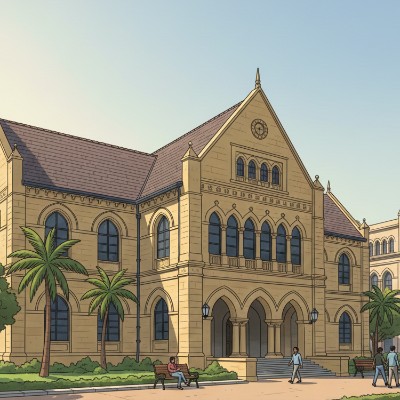
David Sassoon Library & Reading Room in Mumbai is one of the city’s oldest public libraries, known for its elegant 19th century architecture and peaceful reading spaces. Located in the vibrant Kala Ghoda precinct, the library features Gothic Revival influences, vintage wooden furniture, stained-glass windows, and a beautifully restored façade.
It remains a popular retreat for book lovers, students, researchers, and heritage enthusiasts. The library’s restoration has enhanced its ambience while preserving its old-world charm. With a rich cultural legacy linked to the Sassoon family, it stands as an important landmark in Mumbai’s literary and architectural history.
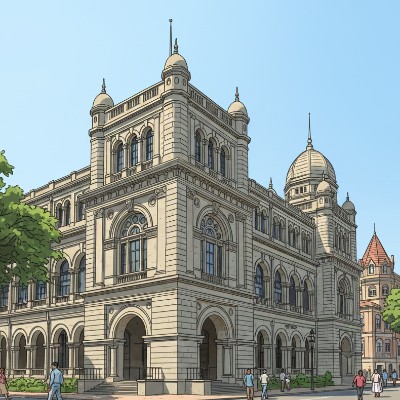
The National Gallery of Modern Art (NGMA), Mumbai is one of India’s premier cultural institutions dedicated to modern and contemporary art. Located in the heritage-rich Kala Ghoda district, it is housed inside the historic Sir Cowasji Jehangir Public Hall, blending colonial-era architecture with minimalist modern galleries.
NGMA Mumbai hosts rotating exhibitions featuring India’s leading artists, sculptors, and contemporary creators, alongside international collaborations. With curated displays, art workshops, educational programs and a peaceful ambience, the gallery is a must visit for art lovers, students and cultural explorers. Its central location makes it easy to combine with other Kala Ghoda museums and attractions.
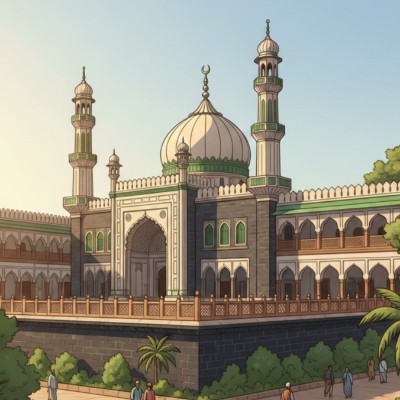
Jama Masjid, Mumbai is one of the city’s oldest and most significant Islamic landmarks, dating back to 1802 and located near the bustling Crawford Market. Built uniquely above an old water tank, the mosque features a striking blend of black basalt stone, elegant Islamic arches, and beautifully carved wooden pillars.
Jama Masjid's large prayer hall, serene courtyard, and traditional minarets create a spiritual retreat amid the crowded market lanes. The mosque plays an important cultural role for Mumbai’s Muslim community and attracts visitors who admire its heritage charm, peaceful ambience, and historic architecture in the heart of the old trading district.
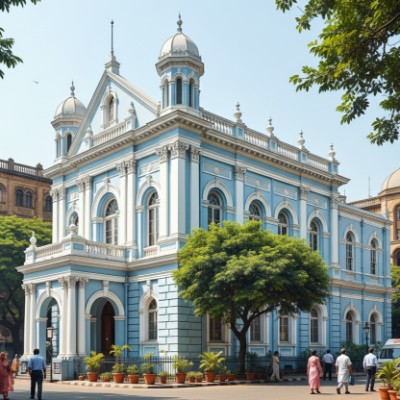
Knesset Eliyahoo Synagogue (Fort), Mumbai is a striking heritage synagogue famed for its turquoise-blue façade and serene ambience 🕍. Built in 1884–1885 by the Sassoon family, it blends neo-classical and Victorian elements and remains a living centre of Mumbai’s Baghdadi Jewish heritage. Visitors come for its ornate stained-glass windows, teakwood interiors, patterned tile floors and quiet prayer services.
Located in Kala Ghoda, the synagogue sits close to major heritage landmarks and is often visited on heritage walks. Respectful attire and silence are appreciated; entry is usually free but photography inside may be restricted. A calm, photogenic stop in central Mumbai.
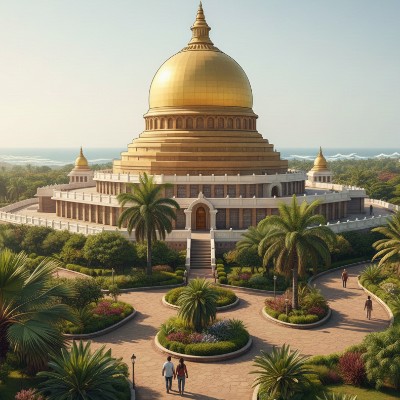
Global Vipassana Pagoda, Mumbai is a magnificent Buddhist monument and the world’s largest stone dome, inspired by Myanmar’s Shwedagon Pagoda. Located in serene Gorai, it serves as a center for Vipassana meditation, offering visitors a peaceful retreat from city life.
The pagoda showcases extraordinary architecture, featuring a gold-plated central dome and intricate stonework. Tourists can explore the vast meditation hall, enjoy tranquil surroundings, and learn about Buddhist philosophy. With nearby attractions like EsselWorld and Gorai Beach, it is a must-visit for spiritual seekers, architecture enthusiasts, and families seeking a calm and enlightening experience in Mumbai.
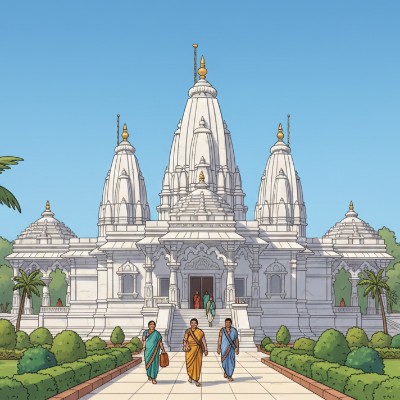
ISKCON Juhu in Mumbai is a serene spiritual hub, officially known as Sri Sri Radha Rasabihari Temple, and one of India’s largest ISKCON complexes. Built on the sacred Hare Krishna Land, it features a stunning white marble structure adorned with intricate Vaishnav carvings and a golden central shrine.
Visitors can experience daily aartis, continuous kirtan, and partake in prasadam at the popular Govinda’s Restaurant. The temple complex also offers guest house facilities, meditation spaces, and cultural halls. Festivals like Janmashtami, Radhastami, and Gaura Purnima draw devotees from across Mumbai and beyond, making it a must-visit spiritual destination with a peaceful and devotional atmosphere.
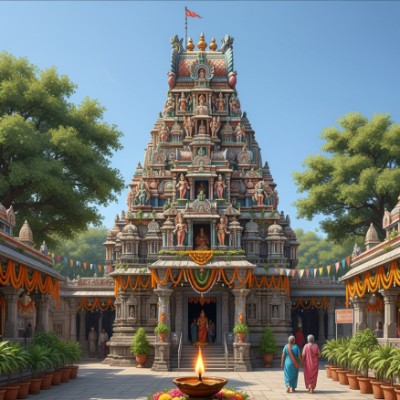
Mumba Devi Temple, Mumbai is a compact, centuries-old urban shrine located in the busy Bhuleshwar and Zaveri Bazaar precincts of Mumbai. Dedicated to the local goddess Mumbā (Mumba Aai) — from whom the city takes its name — the temple traces origins to the 14th–15th century and was rebuilt at Bhuleshwar in 1737.
The sanctum houses a black stone idol of Mumba Devi adorned with silver ornaments. Pilgrims and traders — especially jewellers from the nearby markets — visit for blessings, with peak crowds on Tuesdays and during Navratri. Approaches are narrow; expect vibrant bazaar energy and heavy footfall.
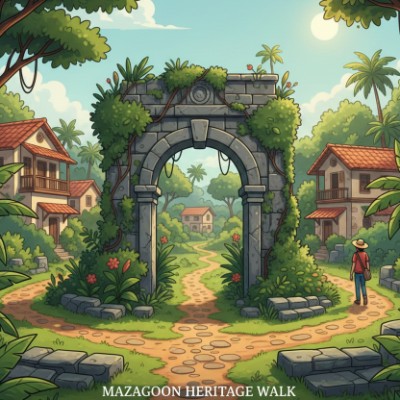
Mazagaon Fort in Mumbai is a historic hilltop fortification dating back to the Portuguese era and later rebuilt by the British East India Company. Today, only scattered ruins and stone remnants survive, but the site remains significant for understanding the early defence system of the Seven Islands of Bombay.
The fort once overlooked the harbour from Mazagaon Hill, giving it immense strategic value. Visitors now explore the surrounding Mazagaon neighbourhood and the charming Matharpacady Village, known for its Indo-Portuguese houses. Though the physical structure has faded, Mazagaon Fort still offers a fascinating heritage walk for history enthusiasts.
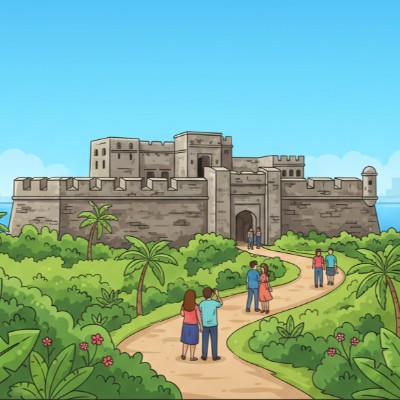
Dongri Fort in Mumbai is a small Portuguese-era hilltop fort located near Uttan in the Mira Bhayandar region. Although most of the structure lies in ruins today, the fort is known for its panoramic views of the Arabian Sea, quiet surroundings and breezy hilltop setting.
Travellers visit mainly for the short trek, cycling route, sunrise viewpoints and offbeat nature experience. The remnants of old basalt walls, rocky platforms and lookout points add a rustic charm. Dongri Fort is ideal for those who enjoy peaceful walks, photography and exploring forgotten heritage sites away from crowds.
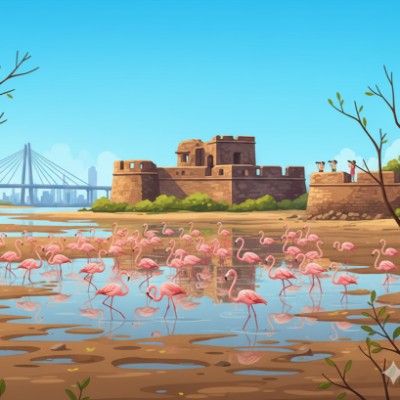
Sewri Fort & Flamingo Mudflats in Mumbai pair a small 17th-century coastal fort with the extensive mudflats of Thane Creek, famous for thousands of migratory lesser flamingos during winter. Perched on basalt walls, the ruined fort provides panoramic views over the mudflats and nearby mangroves, while birdwatchers and photographers flock to the Sewri Jetty at sunrise for stunning flamingo formations and reflective waters.
The spot is an unusual urban nature escape — offering history, quiet strolls, and close-to-nature photographic opportunities — but visitors should note the site has minimal facilities and changing sighting conditions dependent on tide, season, and conservation status.