
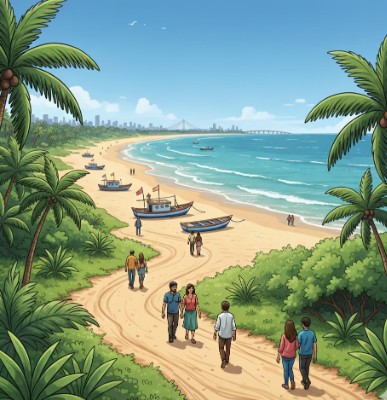
Marve Beach, Mumbai is a peaceful suburban beach located in Malad West, close to the traditional Marve Village and overlooking the Arabian Sea. Known for its calm atmosphere, this beach is far less commercialised than popular Mumbai beaches, making it ideal for quiet walks, sunset watching and casual photography.
The shoreline features narrow sandy patches mixed with rocky sections, especially visible during low tide. Local fishing boats, coconut trees and coastal vegetation add to its rustic charm. Favoured mostly by locals, Marve Beach, Mumbai offers a relaxed escape from city crowds and serves as a gateway to nearby ferry routes connecting Manori and surrounding coastal areas.
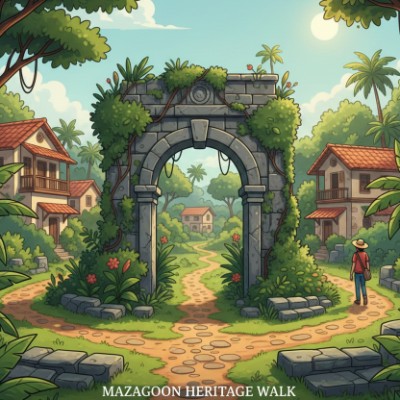
Mazagaon Fort in Mumbai is a historic hilltop fortification dating back to the Portuguese era and later rebuilt by the British East India Company. Today, only scattered ruins and stone remnants survive, but the site remains significant for understanding the early defence system of the Seven Islands of Bombay.
The fort once overlooked the harbour from Mazagaon Hill, giving it immense strategic value. Visitors now explore the surrounding Mazagaon neighbourhood and the charming Matharpacady Village, known for its Indo-Portuguese houses. Though the physical structure has faded, Mazagaon Fort still offers a fascinating heritage walk for history enthusiasts.
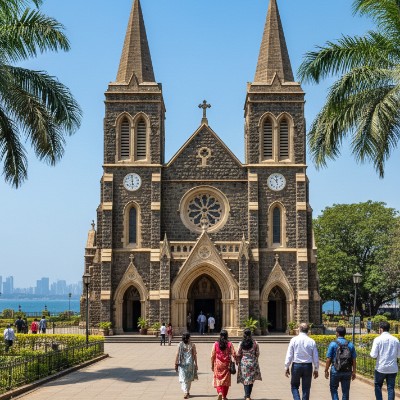
The Mount Carmel Church in Mumbai is a serene and historic landmark located in the heart of Bandra. Known for its elegant neo-gothic architecture and peaceful ambience, the church has been a spiritual centre for the local community since its early establishment in the 19th century.
With its high vaulted ceilings, intricate stained glass windows, and tranquil surroundings, it attracts both devotees and tourists. Whether you visit for prayer, reflection, or architectural admiration, Mount Carmel Church offers a timeless experience that beautifully blends faith, history, and heritage in the vibrant city of Mumbai.
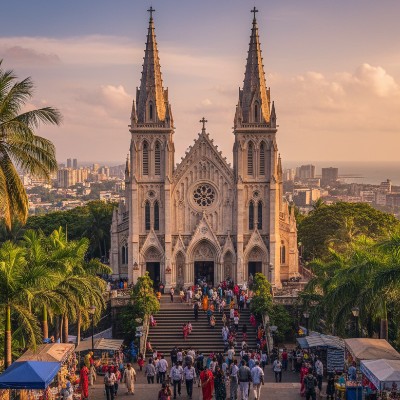
Mount Mary Church, a renowned landmark in Mumbai, is one of the city’s most iconic Roman Catholic churches. Located on a serene hilltop in Bandra, this centuries-old basilica attracts pilgrims and tourists alike for its divine atmosphere and scenic sea views.
The Mount Mary Church, officially known as the Basilica of Our Lady of the Mount, was originally built in the 17th century and rebuilt later after facing destruction. Its peaceful surroundings, intricate interiors, and the famous Bandra Fair held every September make it a must-visit attraction for visitors seeking spirituality, heritage, and old-world charm in the heart of Mumbai.
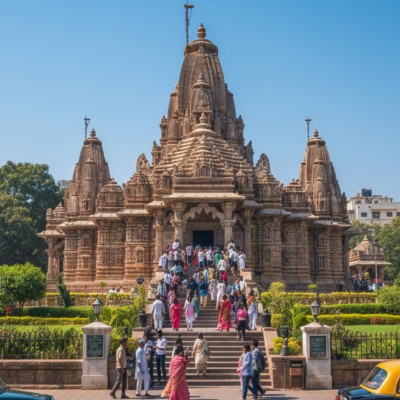
Mukteshwar Temple (Juhu) is a revered Hindu shrine dedicated to Lord Shiva, located in North Juhu near the famous ISKCON Temple. Officially known as Shree Mukteshwar Devalaya, this spiritually significant temple stands out for its unique seven-storey vertical structure, built to adapt to Mumbai’s limited urban space.
The temple houses a prominent Shiva lingam along with multiple deities spread across different floors. Despite being surrounded by busy roads and residential areas, Mukteshwar Temple offers a calm and peaceful atmosphere for devotees. It is a popular stop for daily prayers, Shivratri celebrations, and spiritual seekers exploring Juhu’s religious landmarks.
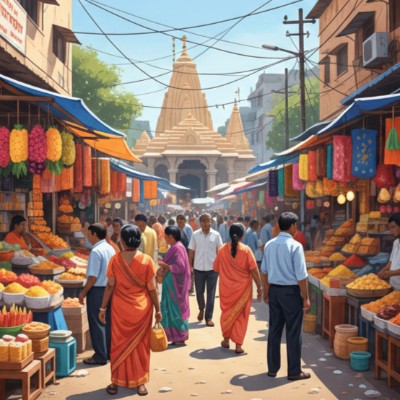
Mumba Devi Road Market in Mumbai is one of the oldest and most vibrant shopping streets in South Mumbai, located beside the revered Mumba Devi Temple. This historic market forms part of the Kalbadevi and Bhuleshwar trading precinct, where religion, commerce, and daily life blend seamlessly. Known for its narrow lanes, dense crowds, and specialised shops, the market offers textiles, jewellery, utensils, puja items, fruits, and household goods, often at wholesale prices. Deeply connected to the origin of Mumbai’s name, Mumba Devi Road Market reflects the city’s cultural roots, trading traditions, and fast-paced urban character, making it an essential stop for heritage walks and local shopping experiences.
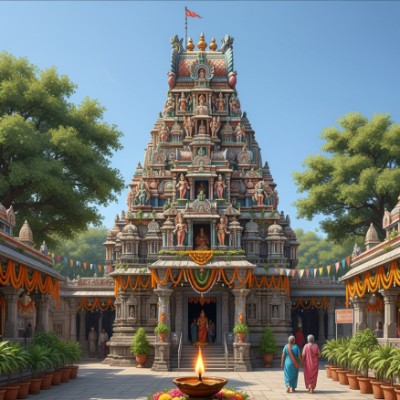
Mumba Devi Temple, Mumbai is a compact, centuries-old urban shrine located in the busy Bhuleshwar and Zaveri Bazaar precincts of Mumbai. Dedicated to the local goddess Mumbā (Mumba Aai) — from whom the city takes its name — the temple traces origins to the 14th–15th century and was rebuilt at Bhuleshwar in 1737.
The sanctum houses a black stone idol of Mumba Devi adorned with silver ornaments. Pilgrims and traders — especially jewellers from the nearby markets — visit for blessings, with peak crowds on Tuesdays and during Navratri. Approaches are narrow; expect vibrant bazaar energy and heavy footfall.
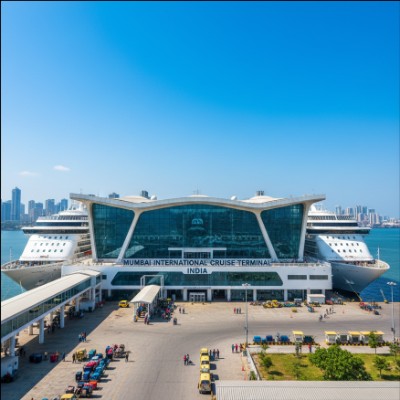
Mumbai International Cruise Terminal, located at Indira Dock in Mumbai, is a modern waterfront landmark designed to elevate the cruise travel experience in India. This premium terminal serves as a key tourist attraction for travellers arriving by sea and offers smooth immigration, baggage, and boarding facilities.
With its contemporary architecture, spacious lounges, duty-free shopping, and traveller-friendly services, the terminal creates a welcoming entry point to Mumbai. Positioned near major sightseeing hotspots, it provides easy access to the city’s cultural and heritage sites. The terminal is steadily becoming a preferred gateway for domestic and international cruise journeys.
Mumbai Fort area, Mumbai landmark, tourist attraction in the heart of Mumbai, is a blend of rich history, colonial architecture, and bustling city life. Established during the British era, this historic district showcases iconic structures, narrow streets lined with heritage buildings, and vibrant markets.
Visitors can explore landmarks such as Flora Fountain, Bombay High Court, and Elphinstone Circle, experiencing the charm of old Mumbai.
The area also offers cultural insights, street photography opportunities, and a peek into the colonial past. Perfect for heritage walks, sightseeing, and local shopping, Mumbai Fort area is a must-visit for history enthusiasts and travelers alike.
The Mumbai Port Trust, located in Mumbai, is one of India’s oldest and busiest natural harbours, symbolising the city’s maritime heritage and trade legacy. Established in the 19th century, this bustling port played a key role in shaping Mumbai’s economy and global connections. Its sprawling docks, historical warehouses, and operational terminals stand as living reminders of colonial-era architecture and engineering. Today, it continues to support major shipping, cargo, and passenger operations while offering scenic coastal views of the Arabian Sea. A visit here offers a fascinating glimpse into the city’s industrial strength and seafaring traditions.
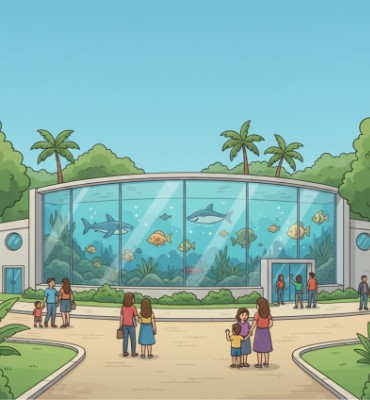
Mumbai Zoo Aquarium, a major Mumbai landmark, is a popular tourist attraction that brings together wildlife exhibits and aquatic life in one historic space. Located inside the iconic Byculla Zoo, the aquarium offers visitors a chance to explore colourful fish species, freshwater habitats and educational displays that appeal to children and adults alike.
Mumbai Zoo Aquarium is one of the oldest public attractions in the city and continues to be a favourite weekend spot for families, school groups and travellers. With easy access, friendly ambiance and a mix of outdoor zoo areas and indoor aquarium sections, it provides a refreshing nature-focused experience in the heart of Mumbai.
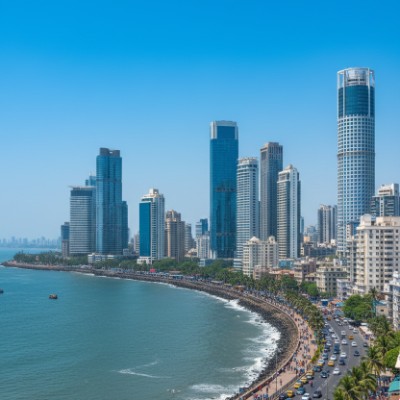
Nariman Point, a prominent Mumbai landmark, is one of the most iconic seafront destinations in the city and a major tourist attraction known for its skyline views and lively ambience. Located at the southern end of Marine Drive, it offers a beautiful blend of business, leisure and coastal charm.
Visitors come here to enjoy sunset views, stroll along the Queen’s Necklace and admire the towering buildings that shape Mumbai’s identity. The area is also close to cultural centres, dining options and famous city highlights, making it a popular spot for both tourists and locals looking for a refreshing urban experience.
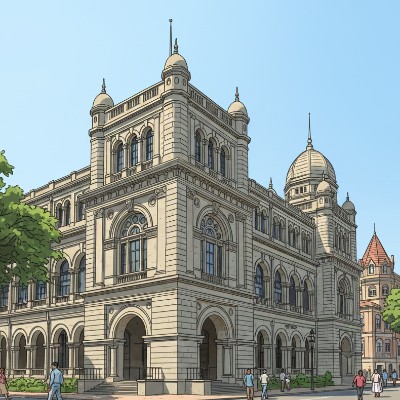
The National Gallery of Modern Art (NGMA), Mumbai is one of India’s premier cultural institutions dedicated to modern and contemporary art. Located in the heritage-rich Kala Ghoda district, it is housed inside the historic Sir Cowasji Jehangir Public Hall, blending colonial-era architecture with minimalist modern galleries.
NGMA Mumbai hosts rotating exhibitions featuring India’s leading artists, sculptors, and contemporary creators, alongside international collaborations. With curated displays, art workshops, educational programs and a peaceful ambience, the gallery is a must visit for art lovers, students and cultural explorers. Its central location makes it easy to combine with other Kala Ghoda museums and attractions.
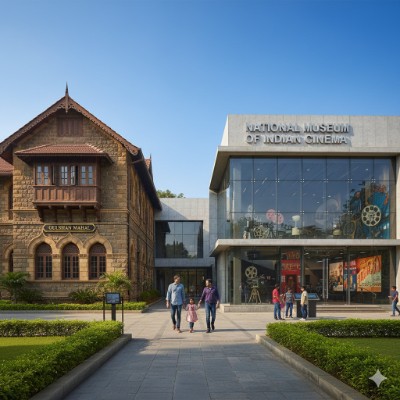
The National Museum of Indian Cinema (NMIC), Mumbai is a one of its kind cultural institution that showcases the evolution of Indian cinema over more than 100 years. Located on Pedder Road, the museum blends the heritage charm of Gulshan Mahal with a modern multi-level gallery complex.
Visitors can explore rare film posters, vintage cameras, interactive exhibits, audiovisual zones and thematic galleries covering silent films, talkies and Bollywood golden era. Known for its peaceful ambience and informative displays, NMIC is ideal for families, students, film enthusiasts and heritage lovers. The museum also hosts screenings, workshops and educational programmes throughout the year.
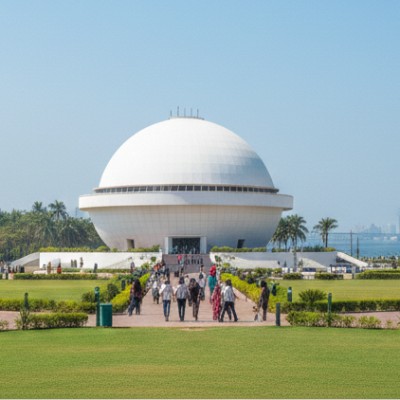
Nehru Planetarium in Mumbai is a premier hub for astronomy and science enthusiasts. Established in 1977 within the Nehru Centre complex, it offers immersive space shows, sky observations, and educational programmes for visitors of all ages. The planetarium’s advanced projection system recreates celestial events, making it both entertaining and informative. A popular field-trip destination, it attracts students, families, and tourists interested in exploring the mysteries of the universe. Conveniently located in Worli, the Nehru Planetarium continues to inspire curiosity about space and science through its dynamic exhibits and interactive sessions.

Nehru Science Centre, a major landmark in Mumbai, is one of India's largest and most engaging science museums. It is a popular tourist attraction known for its interactive galleries, science demonstrations and hands-on exhibits that make learning enjoyable for all age groups.
The centre showcases themes like energy, mechanics, sound, transportation and space science, offering a stimulating environment for students, families and travellers. Its open-air science park, 3D shows and educational workshops add to the experience, making it a preferred destination for curiosity-driven exploration. For anyone interested in science, technology or discovery, Nehru Science Centre in Mumbai is a must-visit place.
Nepean Sea Road Promenade in Mumbai is a peaceful seaside walkway known for its calm ambience, beautiful sea views and relaxed coastal charm. This Mumbai landmark is a favourite evening spot for walkers, joggers and travellers who enjoy watching the waves and catching stunning sunsets. The promenade runs along an upscale residential stretch, offering a blend of scenic beauty and urban elegance. Tourists visit this coastal attraction to experience quieter moments of the city while admiring the Arabian Sea, gentle breezes and open skyline. It is an ideal place for photography, leisurely strolls and soaking in the natural beauty of South Mumbai.
Oval Maidan, a renowned open ground in Mumbai, is one of the city’s most cherished recreational spaces. Located in the Churchgate area, it is famous for cricket, football, and leisurely strolls amid lush greenery. The sprawling ground offers a stunning view of Mumbai’s colonial-era architecture, including the Rajabai Clock Tower and the High Court. Loved by locals and tourists alike, Oval Maidan reflects the spirit of Mumbai – energetic, diverse, and deeply connected to its heritage. It’s a perfect spot to relax, play, or simply soak in the historic ambience of South Mumbai’s vibrant atmosphere.