
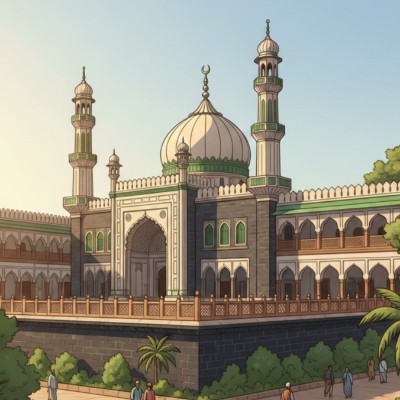
Jama Masjid, Mumbai is one of the city’s oldest and most significant Islamic landmarks, dating back to 1802 and located near the bustling Crawford Market. Built uniquely above an old water tank, the mosque features a striking blend of black basalt stone, elegant Islamic arches, and beautifully carved wooden pillars.
Jama Masjid's large prayer hall, serene courtyard, and traditional minarets create a spiritual retreat amid the crowded market lanes. The mosque plays an important cultural role for Mumbai’s Muslim community and attracts visitors who admire its heritage charm, peaceful ambience, and historic architecture in the heart of the old trading district.
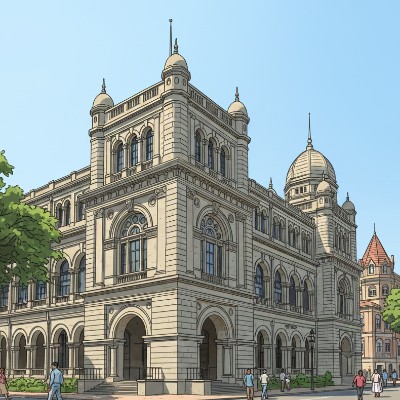
The National Gallery of Modern Art (NGMA), Mumbai is one of India’s premier cultural institutions dedicated to modern and contemporary art. Located in the heritage-rich Kala Ghoda district, it is housed inside the historic Sir Cowasji Jehangir Public Hall, blending colonial-era architecture with minimalist modern galleries.
NGMA Mumbai hosts rotating exhibitions featuring India’s leading artists, sculptors, and contemporary creators, alongside international collaborations. With curated displays, art workshops, educational programs and a peaceful ambience, the gallery is a must visit for art lovers, students and cultural explorers. Its central location makes it easy to combine with other Kala Ghoda museums and attractions.
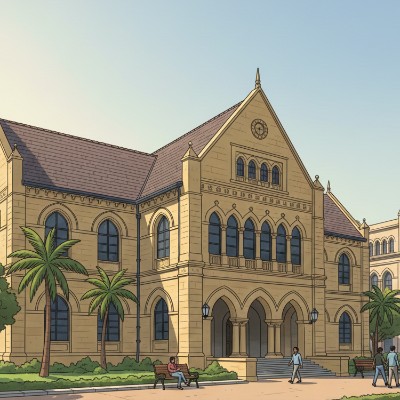
David Sassoon Library & Reading Room in Mumbai is one of the city’s oldest public libraries, known for its elegant 19th century architecture and peaceful reading spaces. Located in the vibrant Kala Ghoda precinct, the library features Gothic Revival influences, vintage wooden furniture, stained-glass windows, and a beautifully restored façade.
It remains a popular retreat for book lovers, students, researchers, and heritage enthusiasts. The library’s restoration has enhanced its ambience while preserving its old-world charm. With a rich cultural legacy linked to the Sassoon family, it stands as an important landmark in Mumbai’s literary and architectural history.
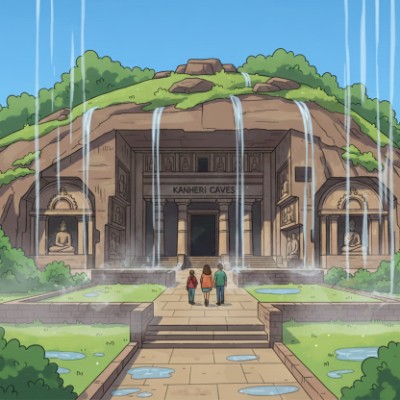
The Kanheri Caves, Mumbai, located deep within Sanjay Gandhi National Park, form one of India’s largest and oldest Buddhist rock-cut cave complexes. Known for their basalt architecture, monastic cells, chaitya halls and ancient inscriptions, the caves date from the 1st century BCE to the 10th century CE.
Visitors enjoy scenic forest trails, cisterns, panoramic viewpoints and peaceful heritage spaces ideal for photography and exploration. Kanheri is also popular for trekking, especially during monsoon when the surroundings turn lush and waterfalls appear. Its blend of history, nature and spiritual ambience makes it one of Mumbai’s most rewarding places to visit.
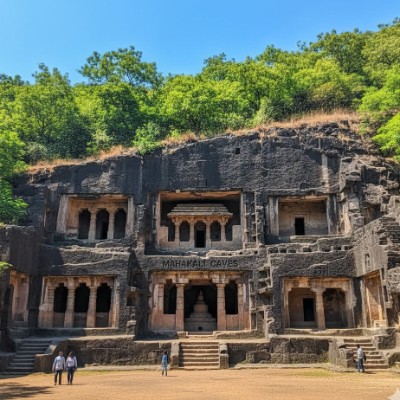
Mahakali Caves in Mumbai, also known as Kondivite Caves, form one of the city’s oldest Buddhist rock-cut cave clusters dating between 1st century BCE and 6th century CE. Carved into black basalt on a hill in Andheri East, the site features 19 simple viharas, meditation chambers and the notable Cave 9 with a small chaitya and stupa.
The caves reflect early Hinayana style with minimal ornamentation, verandas and stone benches. Managed by the ASI, Mahakali Caves offer a peaceful, uncrowded heritage stop ideal for photography, short walks and history exploration, with panoramic views over the Jogeshwari–Powai region.
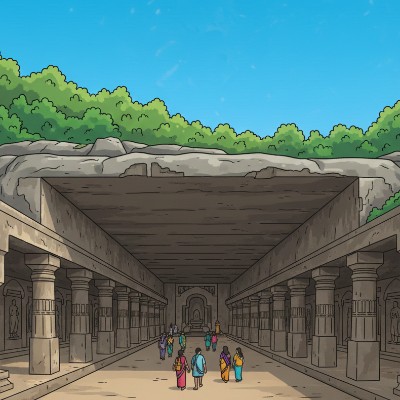
Jogeshwari Caves in Mumbai is one of the earliest and largest Hindu cave temples in India, dating back to the 6th century. Known for its long rock cut corridors, massive mandapa and ancient Shaivite shrines, the site showcases early experimentation in Hindu cave architecture.
Dedicated to Lord Shiva and the goddess Jogeshwari, it holds immense archaeological, cultural and heritage value. The cave complex lies within a dense residential locality, but once inside, visitors experience a peaceful atmosphere, stone pillars, sculpted niches and a central linga shrine. It is a must visit spot for history lovers, archaeology students and photographers exploring Mumbai’s ancient cave systems.
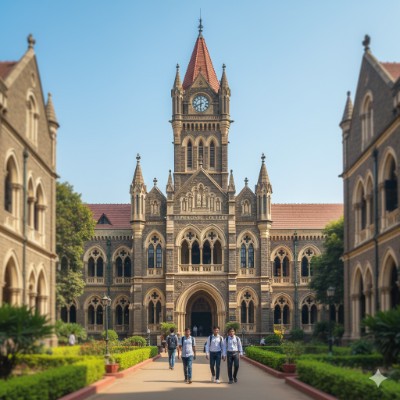
Elphinstone College, Mumbai is one of the city’s oldest and most iconic educational landmarks, established in 1856 and housed in a magnificent Gothic Revival heritage building. Located in the vibrant Fort and Kala Ghoda precinct, the college is admired for its stone arches, high ceilings and historically rich ambience. It has shaped modern Indian education and produced several national leaders and reformers.
Visitors often explore its corridors during heritage walks, appreciating its Victorian architecture and central location near Jehangir Art Gallery and CSMVS. The college continues to attract history lovers, students and culture explorers seeking a glimpse of Mumbai’s academic heritage.
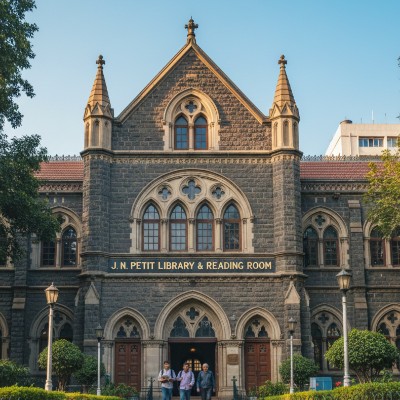
The J. N. Petit Library & Reading Room in Mumbai is a historic Neo-Gothic heritage library located on D.N. Road in the Fort precinct. Founded in 1898, it is admired for its peaceful reading atmosphere, tall arched windows, wooden interiors and its extensive collection of over 150,000+ books, rare periodicals and archival materials.
Originally established through Parsi philanthropic efforts, the library continues to serve students, researchers and heritage lovers with affordable membership and well-maintained study spaces. The building’s classic colonial-era design, coupled with its cultural importance, makes it a significant landmark on Mumbai’s heritage walking routes.
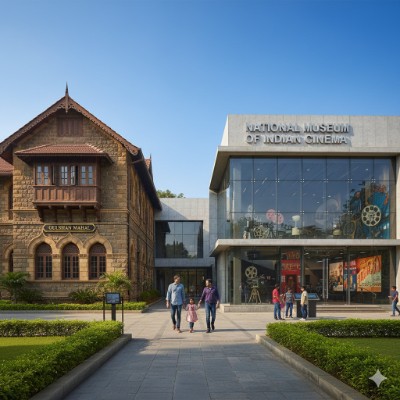
The National Museum of Indian Cinema (NMIC), Mumbai is a one of its kind cultural institution that showcases the evolution of Indian cinema over more than 100 years. Located on Pedder Road, the museum blends the heritage charm of Gulshan Mahal with a modern multi-level gallery complex.
Visitors can explore rare film posters, vintage cameras, interactive exhibits, audiovisual zones and thematic galleries covering silent films, talkies and Bollywood golden era. Known for its peaceful ambience and informative displays, NMIC is ideal for families, students, film enthusiasts and heritage lovers. The museum also hosts screenings, workshops and educational programmes throughout the year.
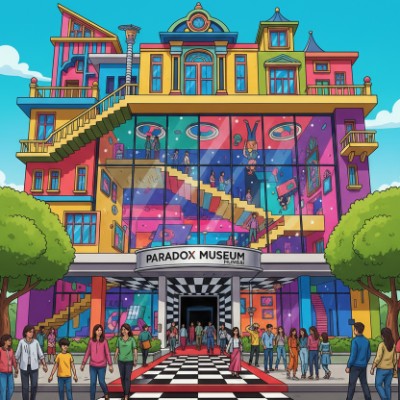
Paradox Museum Mumbai, located in Shreeniwas House near Azad Maidan in Fort, Mumbai, is India’s first branch of the global Paradox Museum franchise and offers a compact, indoor, multi-room immersive experience designed for photos and social media.
With 50+ interactive installations — including the Gravity Room, Upside-Down Room, mirror illusions and paradox tunnels — the museum delivers quick, slot-based visits (about 45–75 minutes) ideal for families, couples and content creators.
The exhibits use curated lighting and visual engineering to create mind-bending effects; visitors are advised to pre-book tickets via BookMyShow or the official site and to pick weekday or early slots to avoid crowds.
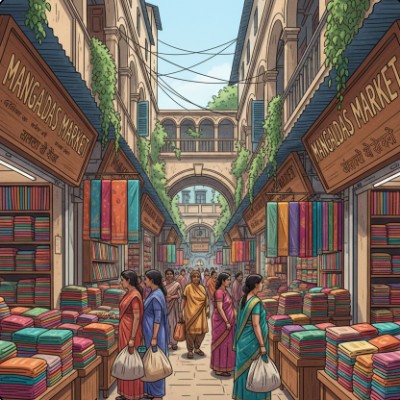
Mangaldas Market in Mumbai is one of the city’s oldest and busiest fabric hubs, renowned for its massive range of cotton, silk, lace, embroidery, and bridal dress materials. Located near Crawford Market and Kalbadevi, it attracts designers, boutique owners, tailors and shoppers seeking wholesale prices and huge variety.
Mangaldas Market's narrow covered lanes are packed with colourful fabric rolls, trims, and accessories, offering everything needed for custom outfits. Bargaining is common, and weekday visits are recommended to avoid crowds. Mangaldas Market is ideal for anyone shopping for sarees, suits, lehengas, dupattas or speciality fabrics in Mumbai.
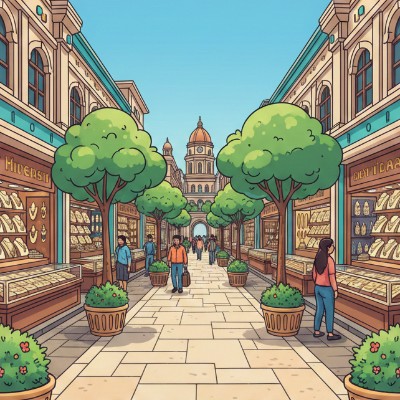
Zaveri Bazaar in Mumbai is one of India’s most iconic jewellery and bullion markets, famous for its gold, silver, diamond and gemstone shops spread across the narrow lanes of Bhuleshwar and Kalbadevi. Known for its historic charm, traditional craft, wholesale rates and trusted family-run jewellers, the market attracts buyers from across India and abroad.
Visitors enjoy browsing ornaments, witnessing skilled artisans at work and exploring the energetic pedestrian-only lanes. With strong security, vibrant crowds and centuries of trading legacy, Zaveri Bazaar offers a unique blend of heritage shopping and cultural atmosphere, making it one of the most essential places to visit in South Mumbai.
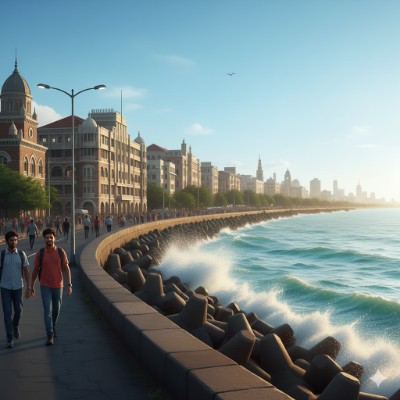
Marine Lines is a prominent coastal stretch in Mumbai, forming part of the iconic Marine Drive promenade along the Arabian Sea. Built on reclaimed land during the early twentieth century, this curved boulevard is internationally recognised for its Art Deco skyline and the famous Queen’s Necklace effect created by its streetlights at night.
Marine Lines offers an open-access seaside walkway where locals and tourists enjoy evening walks, sea breeze, sunset views and night photography. Surrounded by historic residential buildings and close to Girgaon Chowpatty, Churchgate and Nariman Point, Marine Lines represents Mumbai’s urban heritage, public life and coastal identity in one continuous seafront experience.
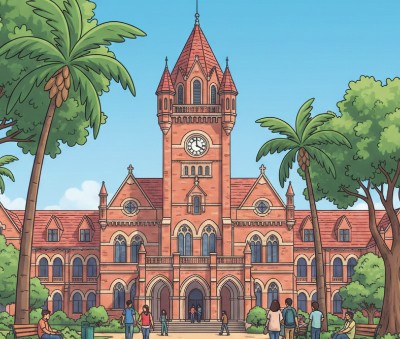
St. Xavier’s College, Mumbai is one of India’s most iconic heritage institutions, located in the historic Fort area of South Mumbai. Established in 1869 by German Jesuit priests, the college is renowned for its academic excellence, liberal arts tradition, and strong ethical foundation. The campus is celebrated for its striking Indo-Gothic architecture, featuring stone façades, arched corridors, tall windows, and a spacious central quadrangle.
Despite being an active academic institution, St. Xavier’s College, Mumbai attracts heritage lovers and architecture enthusiasts as part of Fort heritage walks. Granted autonomous status in 2010, it continues to shape generations of students while remaining a prominent cultural landmark.
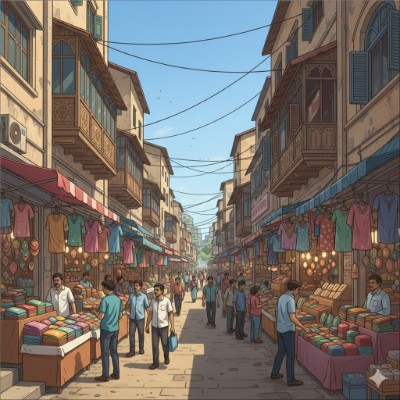
Princess Street Market (Princess Street / Shamaldas Gandhi Marg) is a well-known shopping street in South Mumbai, located near Bhuleshwar and Kalbadevi. This historic market stretch is popular for budget-friendly shopping, especially wholesale and retail garments, fabrics, dress materials, accessories, bags and footwear. Developed during the British era, the street evolved into a key textile trading zone due to its proximity to Mumbai’s traditional commercial districts.
Today, Princess Street Market, Mumbai attracts retailers, bulk buyers and local shoppers looking for variety at affordable prices. The market offers an authentic old-Mumbai shopping experience, with narrow lanes, busy shops and a strong bargaining culture.
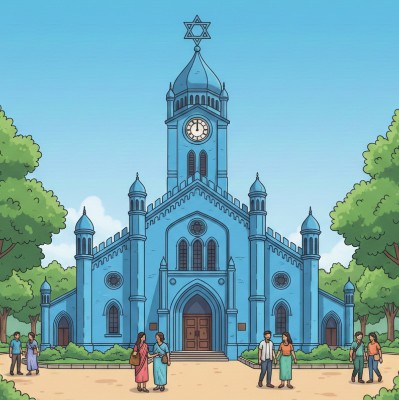
Magen David Synagogue, Byculla, Mumbai is one of the most significant symbols of the city’s Jewish heritage, built in the mid-19th century by the Baghdadi Jewish community. Funded by Sir Jacob Sassoon, the synagogue served Sephardic Jews who settled in the Byculla–Mazgaon area during the British era.
Designed in a traditional Orthodox style, it features a central prayer hall, wooden interiors, an elevated bimah, and a women’s gallery. The synagogue remains an active place of worship today, though the local Jewish population is small. It is best known for its historical importance, calm atmosphere, and strong cultural significance rather than tourism.
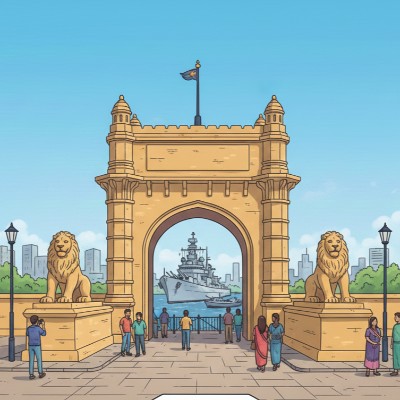
Lion Gate / Naval Dockyard Viewpoint, Mumbai is a historic landmark marking the main entrance to the Indian Navy’s Naval Dockyard in the Fort area of South Mumbai. Dating back to the British colonial era, this monumental gate reflects Mumbai’s long maritime and naval legacy.
While the dockyard itself is a highly restricted defence zone, visitors can view the gate from the public road, making it a popular stop during heritage walks. Known for its solid military design and symbolic lion motifs, the site is valued more for history and significance than sightseeing. It is best explored alongside nearby Fort and Kala Ghoda landmarks.
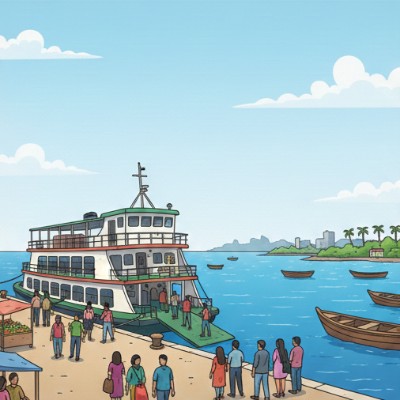
Gorai Ferry Point, also known as Gorai Jetty, is a vital suburban ferry crossing over Gorai Creek in Mumbai, connecting Borivali West to Gorai Island. This short ferry ride, usually lasting 5 to 10 minutes, serves as a key access route for visitors heading to Gorai Beach, Essel World, Water Kingdom, and the Global Vipassana Pagoda.
Surrounded by mangrove-lined creek waters, the journey offers scenic coastal views alongside its functional importance. Used by daily commuters, locals, and tourists alike, Gorai Ferry Point plays a crucial role in Mumbai’s northern coastal transport network, especially during weekends and holiday seasons.