
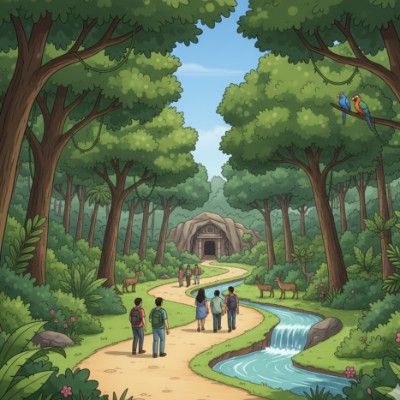
Sanjay Gandhi National Park (SGNP) is a vast protected forest located within Mumbai, making it one of the largest national parks inside a major city. Spread across approximately 103 sq. km, it is often called the green lungs of Mumbai and forms a crucial part of the Western Ghats ecosystem.
Sanjay Gandhi National Park (SGNP) is known for its rich wildlife, scenic forest trails, lakes, and the ancient Kanheri Caves dating back to the 1st century BCE. Popular for safaris, trekking, cycling, and nature walks, Sanjay Gandhi National Park offers a rare escape into wilderness while remaining deeply connected to the city’s daily life.
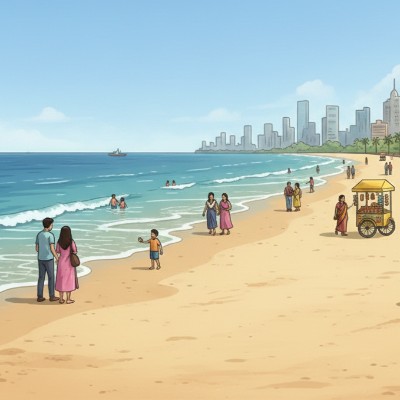
Juhu Beach, Mumbai is one of the city’s most iconic and lively seaside destinations, stretching along the Arabian Sea in Andheri West. Known for its golden sands, vibrant atmosphere, and breathtaking sunsets, the beach attracts locals and tourists throughout the day.
Juhu Beach is especially famous for its street food culture, offering favourites like pav bhaji and bhel puri right by the shoreline. While swimming is generally discouraged due to strong tides, the beach is ideal for evening walks, jogging, photography, and casual relaxation. Its close association with Bollywood celebrities and film shoots adds to its cultural charm and popularity.
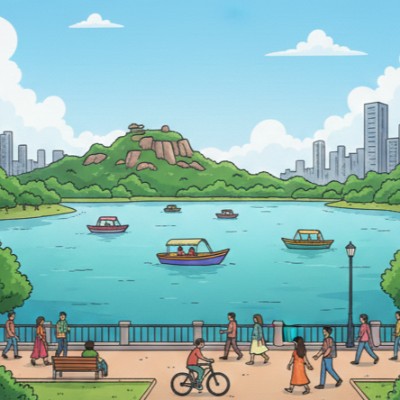
Powai Lake is a historic artificial freshwater lake located in the Powai Valley of Mumbai. Built in the late nineteenth century, the lake was originally developed to supply drinking water to the city. Today, Powai Lake is recognised as an important urban wetland surrounded by hills, forest patches and a rapidly growing cityscape.
Powai lake offers scenic walking routes, calm sunset views and a refreshing natural escape within the city. During monsoon, the water body transforms dramatically, attracting photographers and nature lovers. Known for birdwatching and occasional wildlife sightings, Powai Lake plays a vital ecological role while remaining a popular leisure and nature spot in Mumbai.
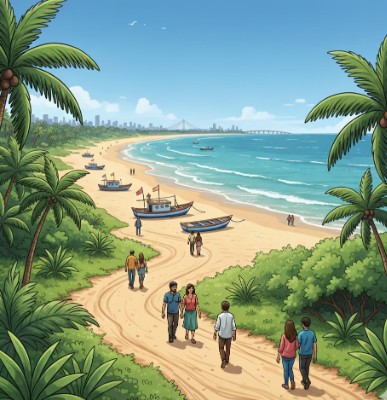
Marve Beach, Mumbai is a peaceful suburban beach located in Malad West, close to the traditional Marve Village and overlooking the Arabian Sea. Known for its calm atmosphere, this beach is far less commercialised than popular Mumbai beaches, making it ideal for quiet walks, sunset watching and casual photography.
The shoreline features narrow sandy patches mixed with rocky sections, especially visible during low tide. Local fishing boats, coconut trees and coastal vegetation add to its rustic charm. Favoured mostly by locals, Marve Beach, Mumbai offers a relaxed escape from city crowds and serves as a gateway to nearby ferry routes connecting Manori and surrounding coastal areas.
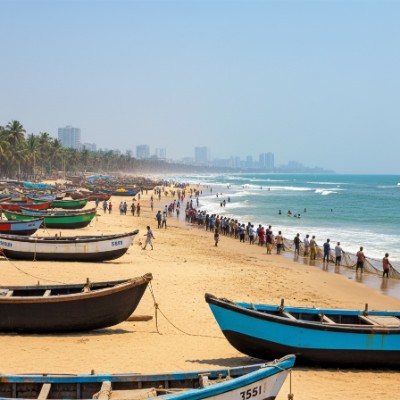
Versova Beach, Mumbai is a calm urban beach along the Arabian Sea in Andheri West, known for its fishing village setting, sunset views and historic beach cleanup movement. Once heavily polluted, the beach gained global attention after a large-scale citizen-led cleanup initiated by Afroz Shah, transforming it into a symbol of community-driven coastal restoration.
Today, Versova Beach offers a quieter alternative to crowded Mumbai beaches, with visible fishing boats, open shoreline and seasonal cleanliness. Popular among locals for evening walks and photography, the beach reflects Mumbai’s evolving relationship with coastal ecology, civic responsibility and sustainable urban living.
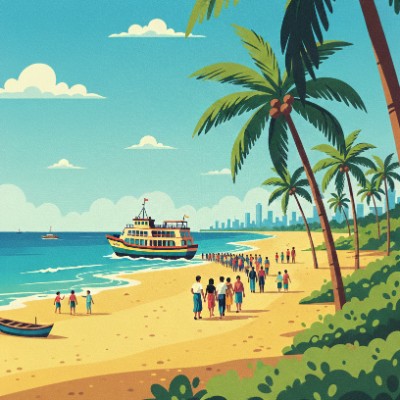
Gorai Beach, Mumbai is a calm and scenic coastal stretch located along the north-western edge of the city, near Borivali West. Known for its cleaner shoreline and relaxed atmosphere, this beach offers a refreshing contrast to Mumbai’s crowded central beaches. The experience of reaching Gorai Beach, Mumbai via a ferry across Gorai Creek adds to its charm, making the journey memorable.
With views of the Arabian Sea, open horizons and gentle waves, it is ideal for picnics, sunset watching and quiet outings. Surrounded by fishing villages, mangroves and coastal greenery, Gorai Beach is popular among families, couples and photographers seeking a peaceful weekend escape.
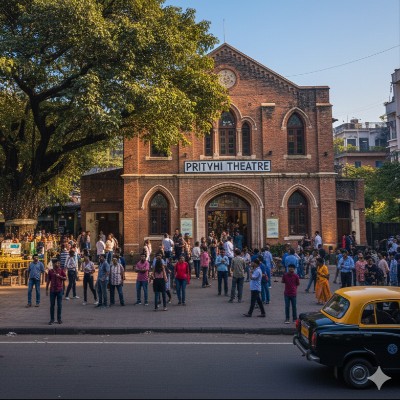
Prithvi Theatre in Andheri West, Mumbai is one of India’s most iconic cultural spaces dedicated to live theatre and performing arts. Founded in 1978 in memory of Prithviraj Kapoor by Shashi Kapoor and Jennifer Kendal, the theatre has played a vital role in nurturing Indian theatre traditions.
Located at Prithvi House, Juhu, it is known for its intimate auditorium that brings audiences close to performers. Hosting Hindi, Marathi and English plays along with workshops and the renowned Prithvi Theatre Festival, it serves as a vibrant cultural hub. The popular Prithvi Café further enhances its artistic and community-driven atmosphere.
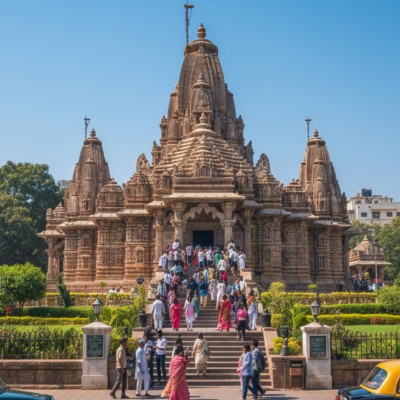
Mukteshwar Temple (Juhu) is a revered Hindu shrine dedicated to Lord Shiva, located in North Juhu near the famous ISKCON Temple. Officially known as Shree Mukteshwar Devalaya, this spiritually significant temple stands out for its unique seven-storey vertical structure, built to adapt to Mumbai’s limited urban space.
The temple houses a prominent Shiva lingam along with multiple deities spread across different floors. Despite being surrounded by busy roads and residential areas, Mukteshwar Temple offers a calm and peaceful atmosphere for devotees. It is a popular stop for daily prayers, Shivratri celebrations, and spiritual seekers exploring Juhu’s religious landmarks.
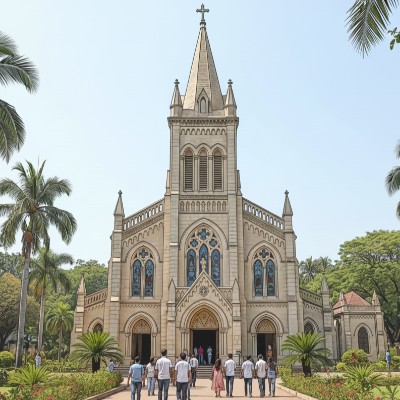
St. Joseph’s Church, Juhu, Mumbai is a historic Roman Catholic parish serving the spiritual needs of the Juhu community since the early 20th century. Part of the Archdiocese of Bombay, the church has deep roots among East Indian Catholic families and has grown alongside Juhu’s transformation into a vibrant suburb.
Known for its peaceful ambience, well-maintained interiors and welcoming parish atmosphere, the church attracts both worshippers and visitors. Regular Mass services in English and Konkani, along with the annual Feast of St. Joseph, make it an important religious and cultural landmark near Juhu Beach and Prithvi Theatre.
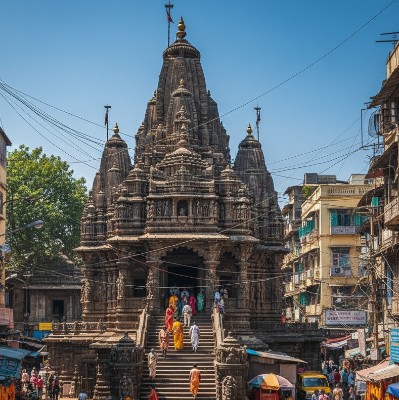
Bhuleshwar Temple, Mumbai is an ancient Hindu shrine dedicated to Lord Shiva, located in the historic Bhuleshwar–Kalbadevi area of South Mumbai. Believed to date back to 12th–13th century, the temple reflects medieval Deccan craftsmanship with its basalt stone construction and Hemadpanthi-style influences. Despite being surrounded by busy markets and narrow lanes, the temple offers a calm and spiritual atmosphere for devotees.
Bhuleshwar Temple is an important Shaivite landmark and is often included in Mumbai heritage walks. It remains especially vibrant during Mondays and Maha Shivratri, attracting devotees, pilgrims, and history enthusiasts alike.
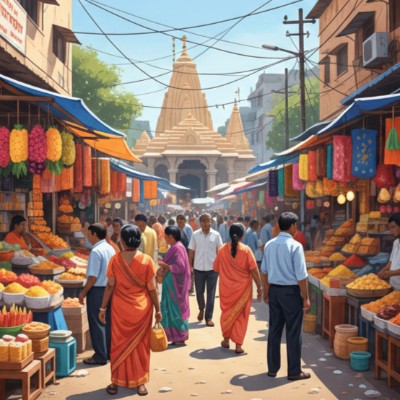
Mumba Devi Road Market in Mumbai is one of the oldest and most vibrant shopping streets in South Mumbai, located beside the revered Mumba Devi Temple. This historic market forms part of the Kalbadevi and Bhuleshwar trading precinct, where religion, commerce, and daily life blend seamlessly. Known for its narrow lanes, dense crowds, and specialised shops, the market offers textiles, jewellery, utensils, puja items, fruits, and household goods, often at wholesale prices. Deeply connected to the origin of Mumbai’s name, Mumba Devi Road Market reflects the city’s cultural roots, trading traditions, and fast-paced urban character, making it an essential stop for heritage walks and local shopping experiences.